Scripture
From Qahal to Ekklesia: The Septuagint Bridge
The story of ekklesia begins before the New Testament — in the Greek translation of the Hebrew Scriptures. Follow the bridge from qahal to ekklesia.

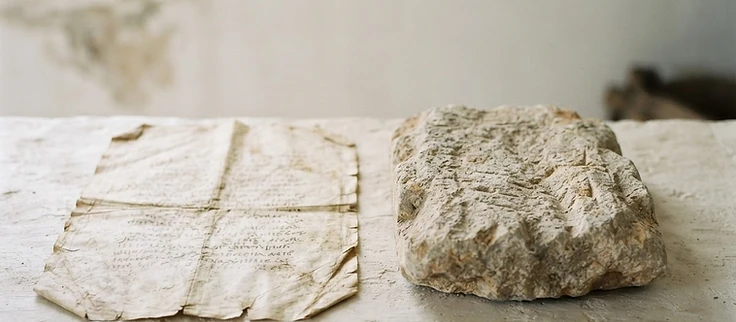
A bridge between two testaments
The story of ekklesia does not begin in the New Testament. It begins in the translation of the Hebrew Scriptures into Greek — a project known as the Septuagint, completed in the centuries before Christ.
When the translators rendered the Hebrew Old Testament into Greek, they needed a word for the assembled congregation of Israel. The Hebrew word was qahal (קָהָל) — the solemn assembly of the people of God. The Greek word they chose was ekklesia.
From qahal to ekklesia
In the Hebrew Scriptures, qahal is a rich word. It is used for the assembly of Israel gathered at Sinai, for the congregation gathered to hear the Law, and for the solemn convocations of God's people. It carries the weight of covenant — a people who belong to the Lord and are summoned by Him.
By translating qahal as ekklesia, the Septuagint translators did something quiet but profound: they took a secular Greek political word and soaked it in covenant meaning. By the time the New Testament writers picked up the word, it already carried the freight of Israel's story.
The continuity of the people of God
This matters for how we read the New Testament. When Jesus says, "I will build my ekklesia" (Matthew 16:18), He is not starting something brand new. He is claiming the continuity of God's assembled people — the same congregation that gathered at Sinai, that assembled under Joshua, that gathered to hear the Law.
The church is not a parenthesis in God's plan. It is the latest chapter in a single story of God calling out a people for Himself.
One people, one story
Understanding the qahal–ekklesia bridge protects us from a common mistake: treating the Old Testament people of God and the New Testament church as two unrelated things. They are one assembly, called by one God, gathered around one unfolding promise — now fulfilled in Christ.
Continue the study
Explore more articles or browse curated resources for deeper reading.